
We've all been there: the Slack notification echoes across your office as you've just opened the latest deliverables. You stare blankly at the screen for 5 minutes. Nothing's technically wrong, but something just ain't right.
That gap between 'technically fine' and 'OMG that's great!'? That's taste.
It's usually wrapped up as a je ne sais quoi, this odd thing no-one can quantify, yet somehow everyone's convinced they've got it.
Bad taste often shows up as endless feedback rounds, things 'just feeling off' and more mentions of the word pop than a Rice Krispies ad from the late 90s.
For me, it boils down to a few different areas, which aren't as Fugazi as you may think (or people make out).
If I were to wrap it up in a sentence, it would be a mix of design theory, exposure and an unhealthy amount of reps moving pixels about.
Can you teach it? I think some of it, yes. The rest you can guardrail until the reps catch up.
If you've got longer to give than a sentence, scroll on.
01 / 03
The teachable bit: design theory
The barrier to entry to becoming some form of creative has never been lower.
We've gone from Don Draper's ads hand-crafted in New York to Donna Taper's ads crafted with a Canva subscription in Newport. This has flooded the market with bang-average stuff, meaning the majority of eyes are conditioned to bang-average.
The good news? The antidote is found in stuff that already exists; some learn it in a classroom, others in a YouTube rabbit hole at 2am. I've worked with incredible creatives who took either route, so no favourites round here.
Design theory won't make you all tasty on its lonesome, but it will get you some of the way there:
Hierarchy
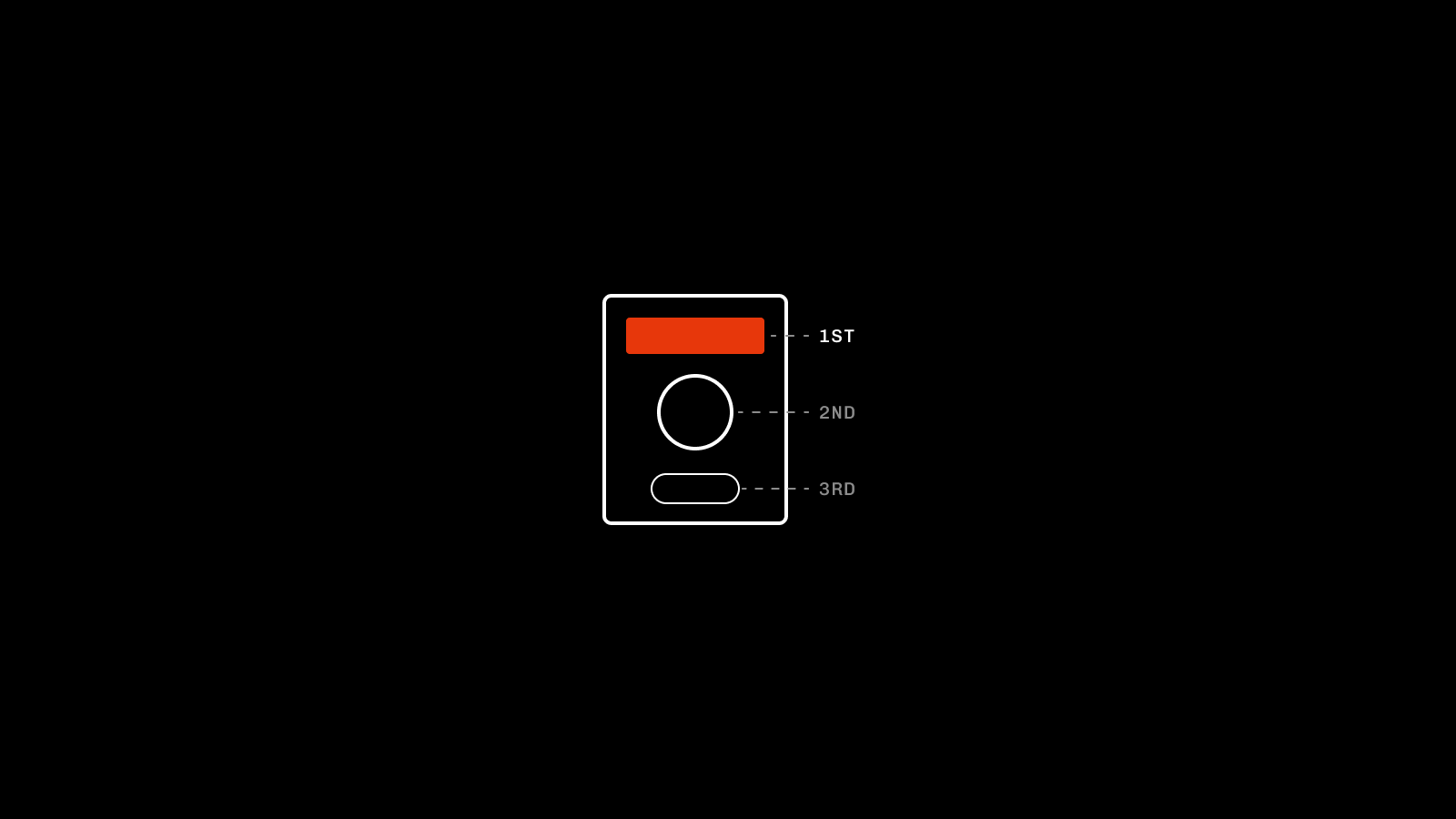
Creatives should be master manipulators, trained to drag people's eyeballs to exactly where they want them, in the order required.
This requirement only heightens in performance advertising, where you typically have 0.3 seconds to stop Greg's doom scroll on a Thursday night.
Finding the sweet spot between positioning and sizing is the key, with most of it down to common sense: important stuff first, not so important stuff last.
The rest depends on who's viewing, e.g. left-to-right for English, and flipped for right-to-left languages like Arabic.
Balance
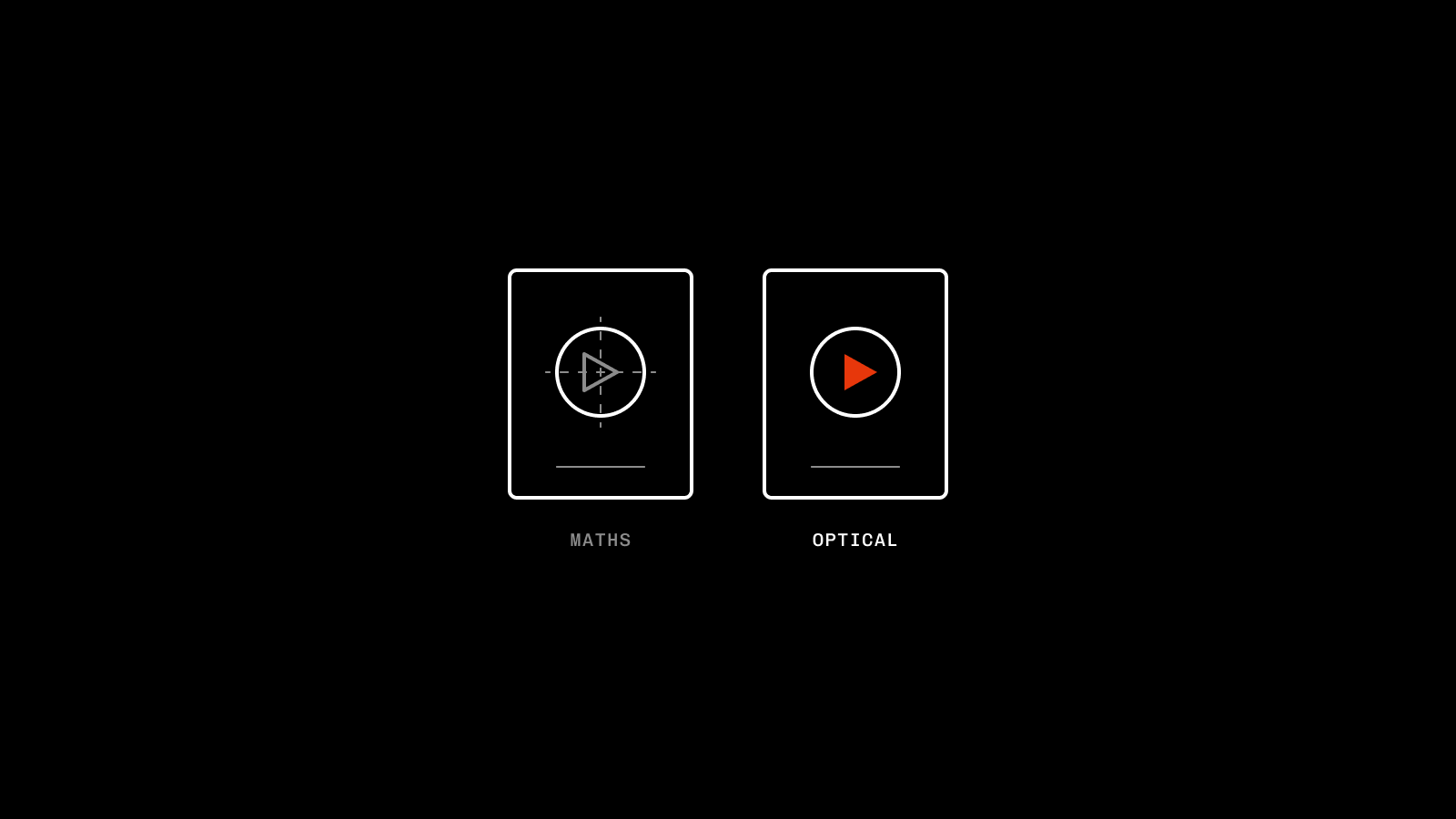
Balance typically starts from some form of maths.
Understanding symmetry and asymmetry is often the difference between a client loving something instantly and an awkward head tilt as they squint at their screen.
Counterweight copy, contrast and negative space with background elements and things start to look deliberate versus dropped in.
Maths isn't always the answer, and sometimes visual balance overrules it (e.g. a play button inside a circle shouldn't sit perfectly centre as it looks off).
Spacing & Alignment
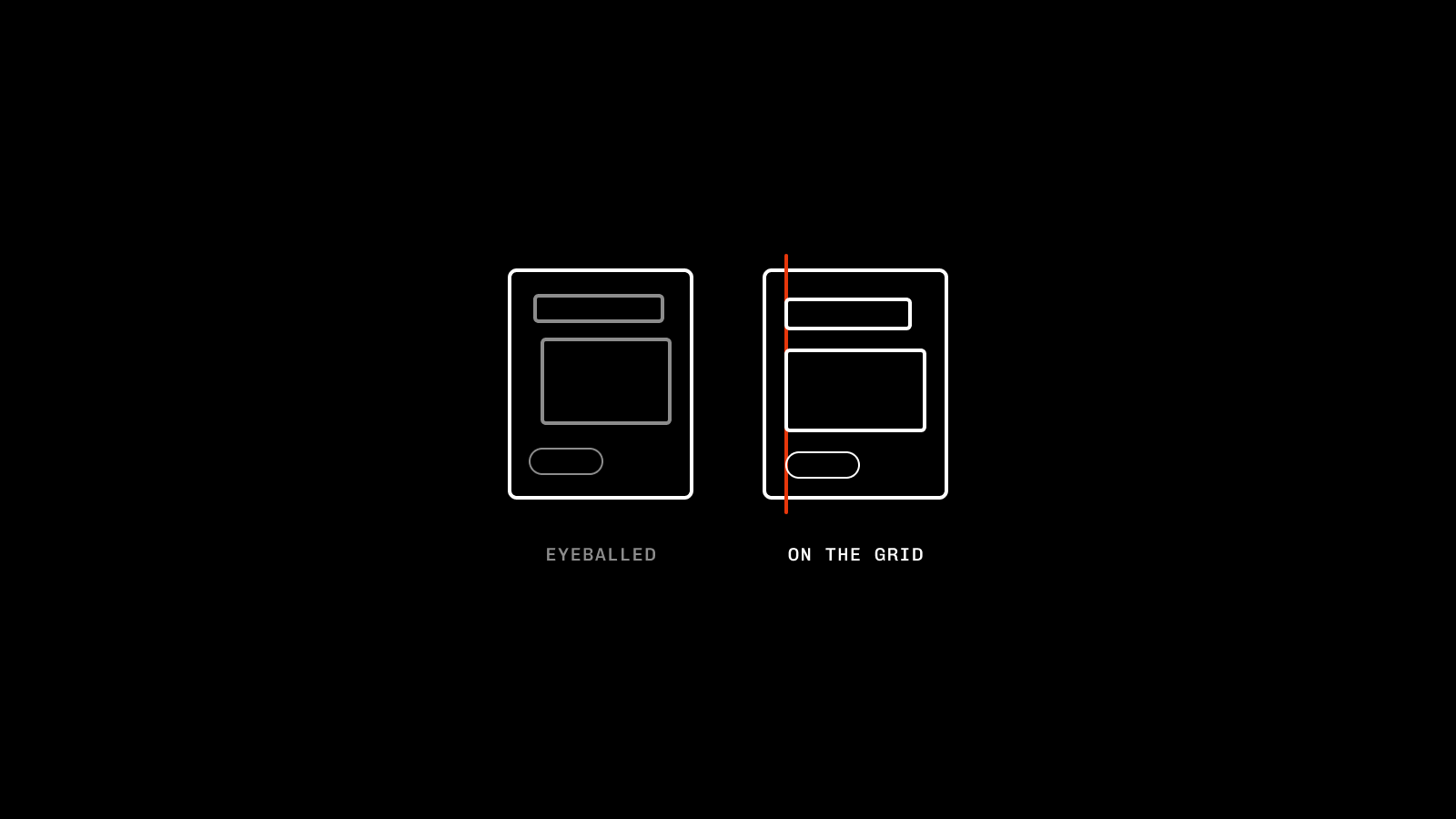
This is the one that catches most people out and creates that 'off' feeling.
The usual tell is unrounded font sizes (e.g. 63.91px), inconsistent margins between elements, and nothing lined up using rulers.
Coming from a web background, I've always leaned towards an 8px grid, with every font size, margin and element scaling up in multiples of 8 pixels (8px, 16px, 24px, 32px, etc).
This creates consistency and balance instantly; it also puts guardrails on decisions, so multiple designers can hop on a project and jump straight in.
There are absolutely times when this should be completely ignored, but for your polished, tasty ads this is where I'd start.
Contrast
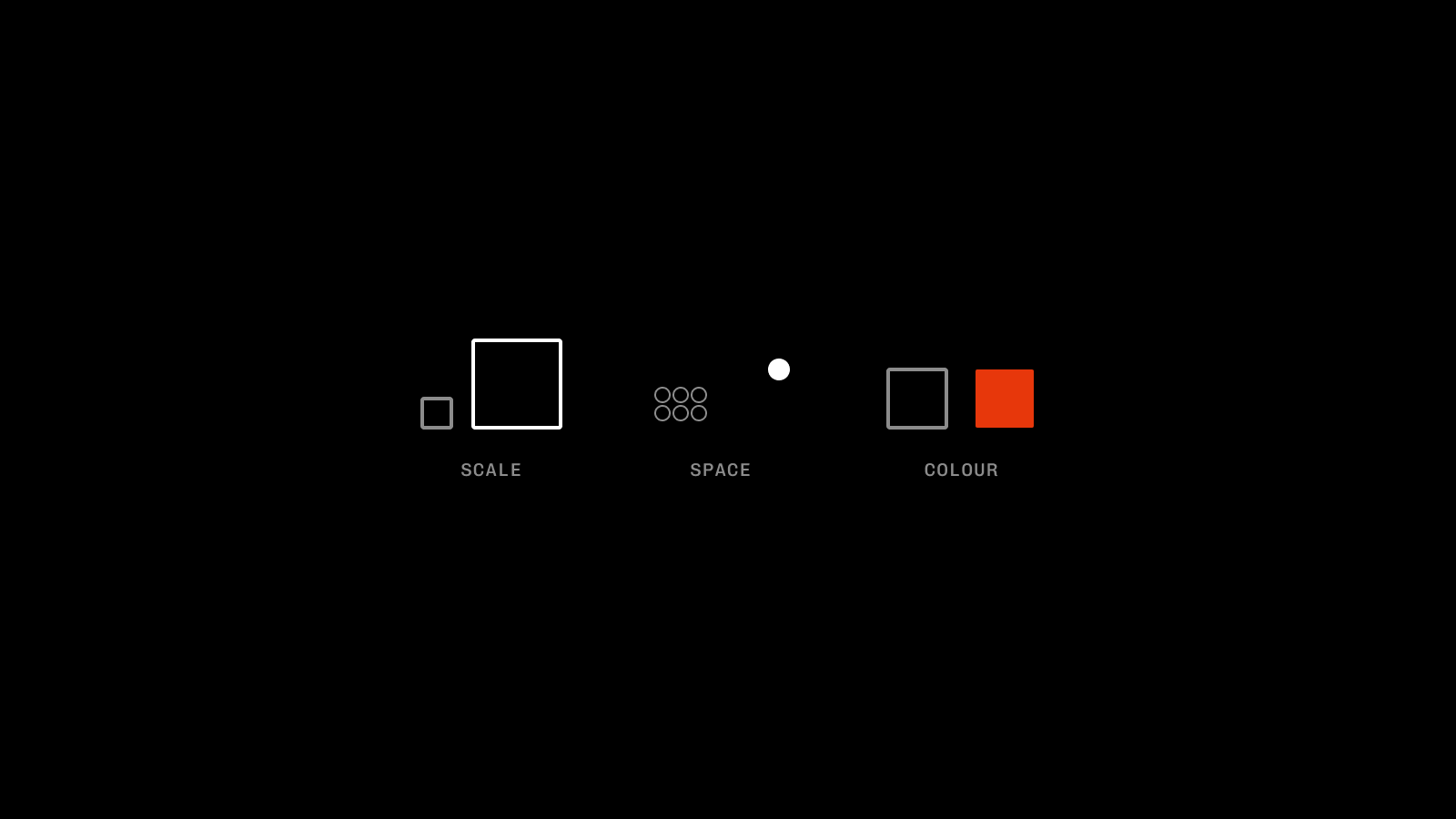
Contrast is probably the most important one for performance advertising.
The main levers are: colour and tone, scale and size, type size/weights and negative space. All need to have a purpose and, combined, can manipulate how people engage with the content.
Alongside hierarchy, it can determine what a user will see first (headlines, CTAs, etc), and what they skip entirely.
The usual tell that someone doesn't understand contrast is feedback that lands along the lines of "feels a bit flat". In reality, this means elements are hard to differentiate, or nothing's been given permission to stand out.
How you teach it
Taste usually falls to one or two people, which creates bottlenecks in the sign-off process.
Here's a few ways to level the playing field and not rely on osmosis (or Human Error*) to develop the team:
Document the important stuff: use it in onboarding, refresh it regularly with client context, and you're golden
Use design theory in feedback: integrating the why into feedback educates rather than puppeteers
Use it in briefs: specific design rules for clients? Have them front and centre for every brief; first-round feedback starts to disappear
Ask people to show their working: if they can't explain decisions, they're guessing
Rules are always there to be broken. Knowing why you're breaking something beats not knowing it's broken.
*Buy something lolGet comfortable with the basics and the rest is reps.
02 / 03
The trainable bit: exposure
It's really hard to create great work if you're unsure of what great is.
Taste is basically pattern recognition on steroids, and patterns need inputs. If the ceiling is mediocre work, mediocre work will prevail. Exposure to great stuff, married up with the why behind it, is the fastest route to developing taste.
If someone doesn't understand what a great ad looks like, feels like and most importantly, performs like, they'll just make more of what they've seen.
Which on most feeds, ain't great.
Pattern Recognition
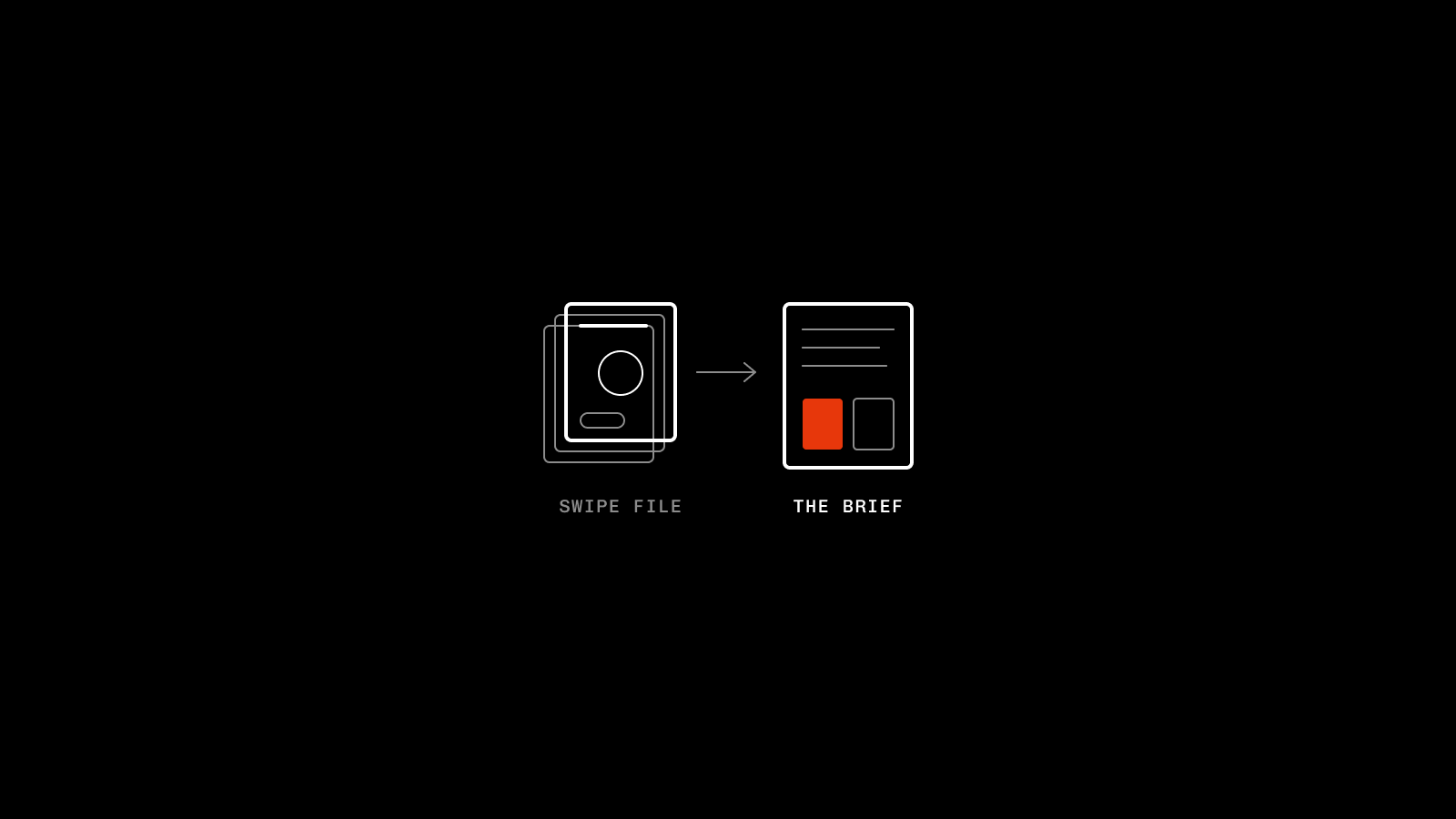
If I had to sum up someone with great taste, they're usually the person with 1000s of screenshots of ads on their phone, a little obsessed with the details, and annoyingly well-dressed (could be unrelated idk).
The more you can compare good (and bad) work, the faster you'll spot the difference. The best can go a little deeper and explain why, but just being able to tell is a good start.
You can train it by keeping swipe files, mood boards and client reports (to connect the data) easy to find. I'd also recommend using references in briefs so the ceiling starts higher.
Cultural Relevance
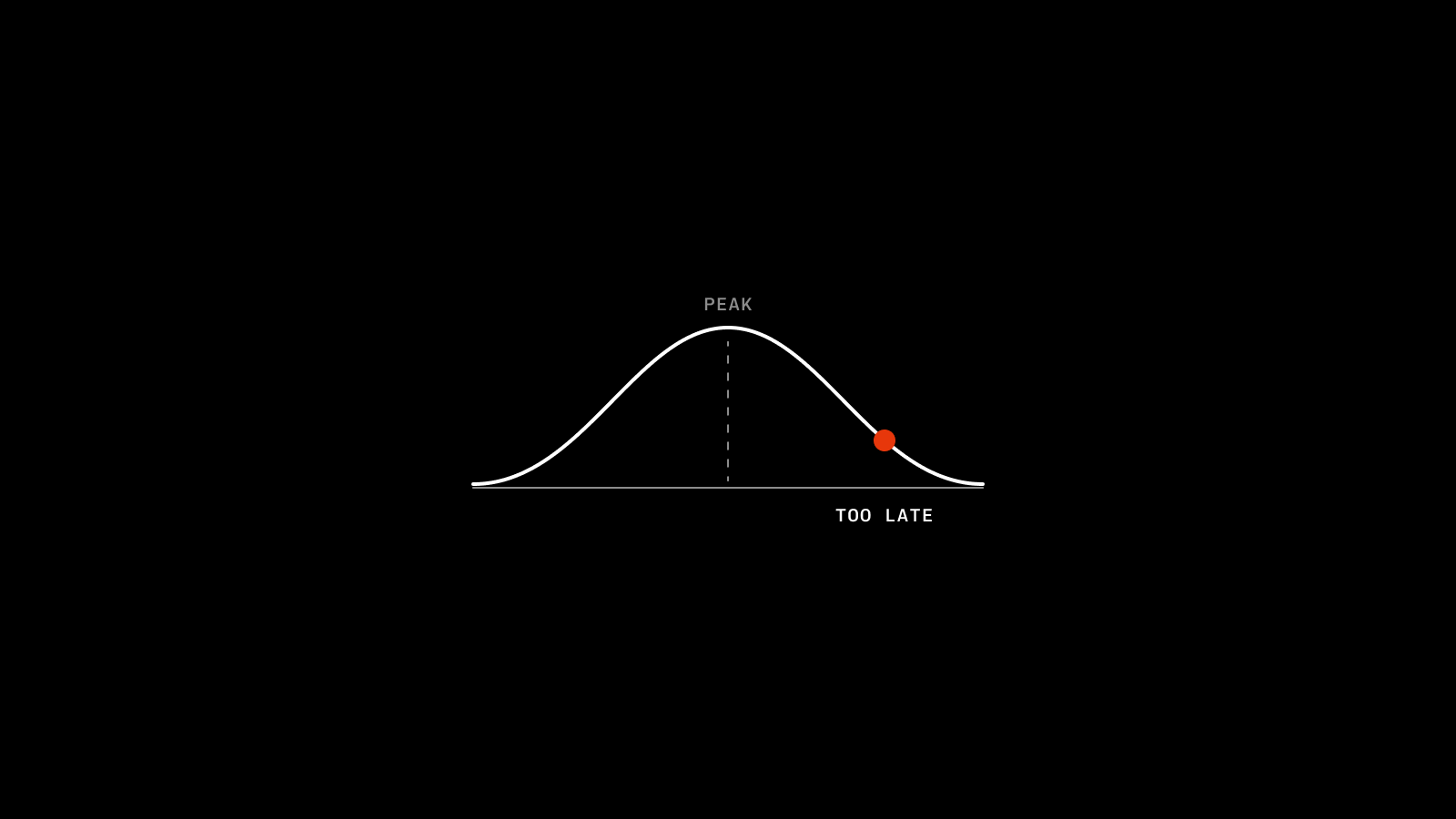
Cultural relevance is also very important, and this is a bit harder to measure as it's relative.
What lands tastefully with Gen Alpha and Boomers is worlds apart; insert geographies and cultural differences into the mix, and you've got a target that sits as still as my 6-month-old Springer Spaniel puppy.
Some of it lives in data, some of it lives in comment sections, some of it lives in interviews with the people actually buying. These inputs need to be readily available and separated by client, usually pulled together as personas.
The typical tell is jumping on a trend too late, or choosing fonts/aesthetics that went down with the Titanic.
The easiest fix? A weekly show-and-tell where everyone brings one thing they love, and one thing they hate, and says why. It stops taste living in a single person's head.
You can't teach someone what's cool, but you can teach 'em where to look.
03 / 03
The earned bit: reps
I first opened a (cracked) version of Photoshop back in 2008/9, copying YouTube tutorials way past bedtime on a school night, most nights for 3 years.
With no feedback loops, I steadily went from absolutely shit to just a little bit shit. As soon as I stepped into a professional setting, the feedback came thick and fast, with reasoning behind the requests, which 10x'd my progression.
Reps unlock a little thing called judgement, and this is the real gap between a junior and senior creative. Unfortunately for most, judgement comes with time.
Move enough pixels around, survive enough (quality) feedback rounds and land a few best performers, and it becomes second nature.
Here's where it actually shows up:
Restraint
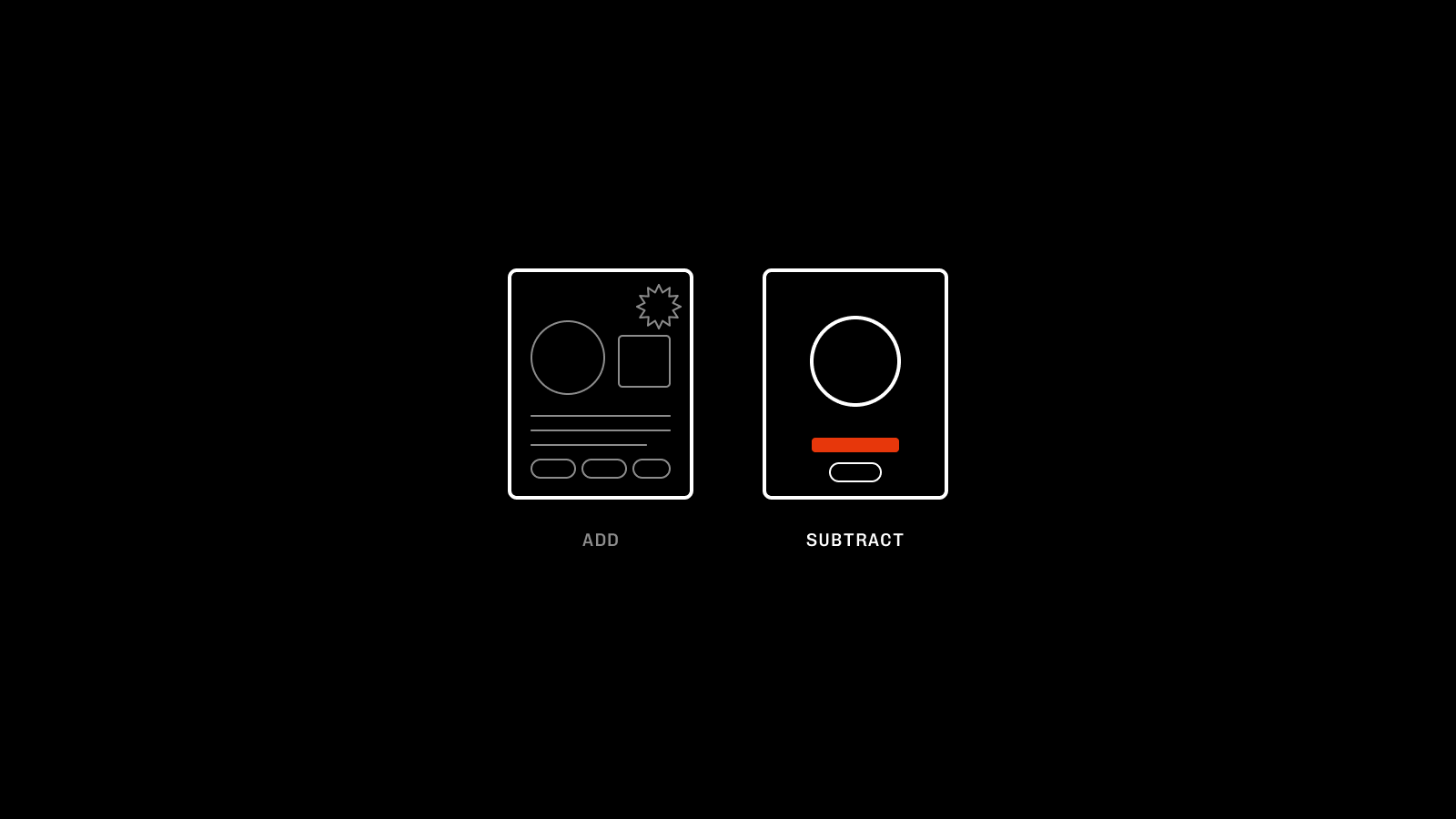
The perfect example of this is the LinkedIn mob's hatred towards the typical AI-generated advert (which in fairness are shit).
People with bad taste tend to add, whereas people with great taste subtract.
AI has ZERO restraint; it tries to fill every pixel with something: glowing gradients, 3D icons, 14 words that could have been 4. The canvas is jam packed with clutter and mess, which creates an awkward viewing experience.
This shows up in ad creatives all the time: every USP crammed in, elements that don't serve a purpose, and logos the size of the product.
Restraint unlocks the Apple effect the majority love: simple and clever, but somehow still looks hella expensive.
Context
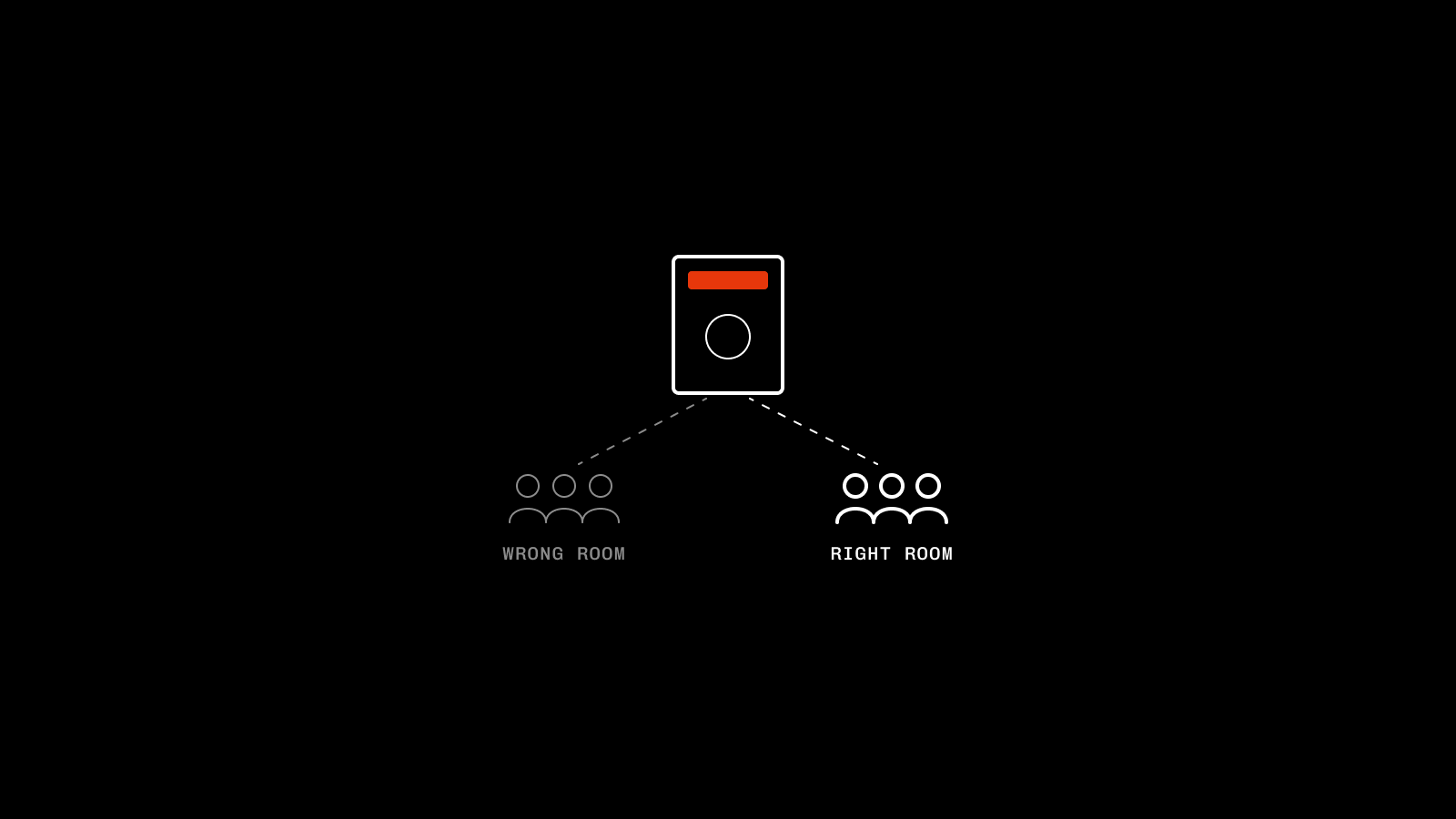
Great taste in one setting can be terrible taste in another.
What's tasteful in the luxury watch space is disastrous for a payday loan ad, and vice versa. The same goes for placement; what hits on Meta ain't always what flies on LinkedIn.
Sometimes 'ugly' ads are the right choice. Plenty of lo-fi stuff outperforms the £20k shoot. Knowing when to rough things up is taste too (even if the brand director doesn't agree).
Context comes from exposure to different markets and drivers, and again, this is earned rather than inherited.
You can, however, crash course context. Wrapping up client specifics in a singular place: best performers, historic feedback, preference, etc is a good place to start.
As long as it's easy to locate and digest, anyone can pick it up.
Articulation
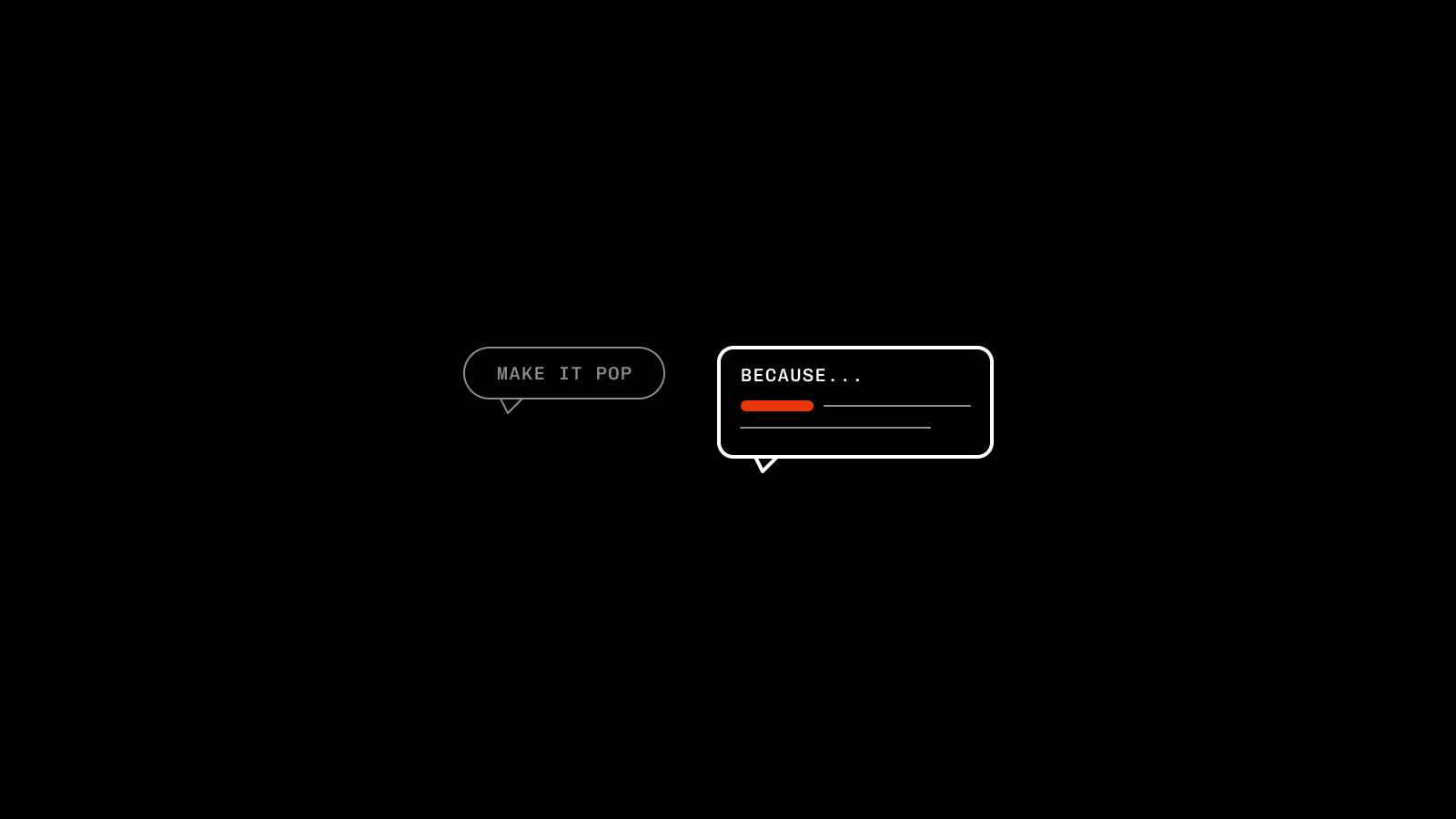
Being able to work out what takes an ad from a 6/10 to a 9/10 is harder than it sounds. Explaining it is harder still.
There's always someone who can spot the things no one else can, that's usually great taste. Being able to explain why? That's how taste trickles down.
It's what made the difference when I rocked up to work in my oversized suit from ASOS. Not more feedback, but feedback with reasons. If you can articulate your feedback, or even your own decision-making, I'd say you're halfway there.
To break it down to its simplest form, theory gives you the insights, exposure gives you the references, and reps give you the confidence to say it out loud.
Can taste be taught? I reckon so. Overnight? Probably not.
But with enough reps, an obsession with the theory and unhealthy scrolling habits, I think anyone can get there.
The robots can do the theory all day, but the human weirdness and ability to break the rules is often what creates the magic.
5 episodes down, an unlawful amount of time spent trying to write, but we're having fun along the way, right?
See you next time (hopefully).